Women's Coding Collective On Finding Your Tribe, Expanding Your Skillset & Taking Risks

Posted by Magdalena Georgieva

Jun 20, 2016, 11:52:33 AM

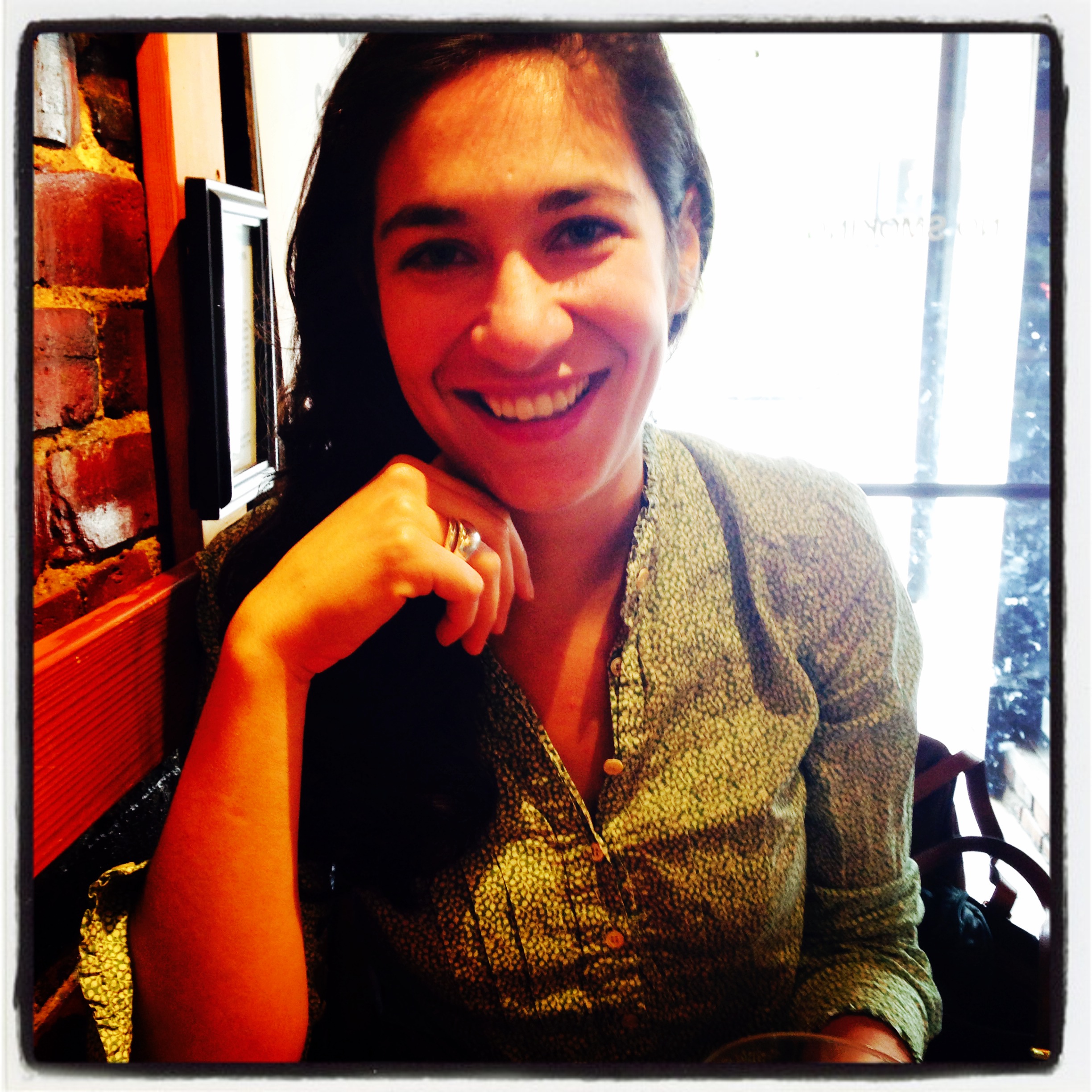
I recently had a chance to catch up with Susan Buck and Nicole Noll, founders of the Women’s Coding Collective, who shared the story of how the WCC came into existence and why. This interview was conducted for She Geeks Out, a community for women in the STEM field. Read the exerpt below or the full interiew here.

Read More

Topics: science

Miriam Roure on Tech and the Future of Urban Design

Posted by Meghan Keaney Anderson

Jan 25, 2015, 4:44:31 PM

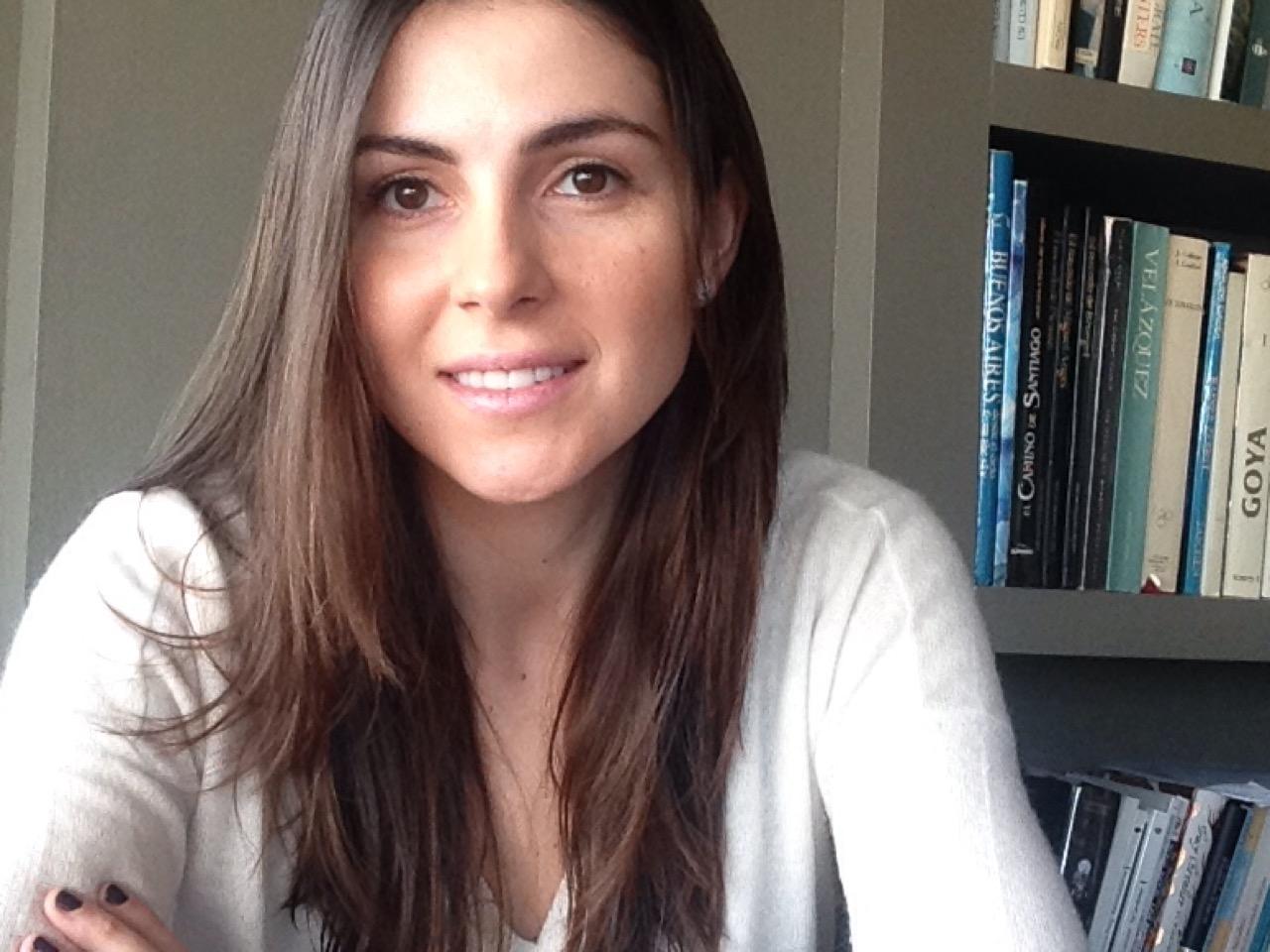
Miriam Roure is a Research Fellow at MIT’s Senseable City Lab, an institute that studies how digital technologies are changing the way in which cities are studied and understood. Miriam, whose background is in architecture, has been working at the Lab for over a year and has also collaborated with the World Bank and the Area Metropolitana de Barcelona. During her studies at Harvard Graduate School of Design she co-founded Harvard xDesign Conference, which it’s now on it’s third year. I caught up with Miriam at Flour Bakery outside of Kendall Square Cambridge.

Read More

Topics: science

Scientist Edward Miracco on Biochemistry, Jazz and the Allure of Being First

Posted by Meghan Keaney Anderson

Aug 18, 2014, 10:30:00 PM

To understand Edward Miracco you have to first get a grasp on the work he's been doing for the last five years in telomerase research.  

Here's the woefully simplified version. The cells in our body divide throughout our lives, but not endlessly. There's a timer called a "telomere" that's running and sets how many times they can divide.

As Edward explains it on his research funding site, "You can think of it like the little plastic tip that seals the end of your shoelace. This little tip, known as an aglet, prevents the shoelace from fraying; a telomere is the DNA "tip" that prevents a chromosome from fraying." Once the telomere runs out, the cell is unable to divide anymore and "retires." Now, here's where the study of teleomeres intersects with cancer. Whereas most cells have a limit to the number of times they divide and replicate, cancer cells have a little machine—an enzyme called telomerase—that elongates the telomere (timer). So they can divide forever and take over. Stop the telomerase and you could stop the slow spread of cancer.  

Read More

Topics: science

Alex Tooke on Why Collision Detection & Playing Piano Scales Are Fun

Posted by Magdalena Georgieva

Jul 29, 2014, 8:49:00 AM

Alex Tooke is a Sensor Systems Engineer at MITRE who works on radar and collision avoidance and plays the piano in his free time. Learn how he got interested in science and what draws him to music.

Why are you a science person?

I like math, and I like physics. Originally, I was going to do astronomy or astrophysics in college. I didn't know what engineering was, but I ended up on an engineering floor and was like, "Man, this is all stuff that I like...amplifiers and computers, and you can also do space stuff! Why wouldn't I do this?" And then I did that.

Read More

Topics: science

Nanotechnologist Elbara Ziade and the Pursuit of Infinitesimal Things

Posted by Meghan Keaney Anderson

Jul 3, 2014, 9:44:00 AM

What is nanotechnology?

So your hair is about 100 microns thick.

There's a meter, then there's a millimeter, then there's a micrometer. As you know, a millimeter is one-thousandth of a meter. A micron is one-thousandth of a millimeter. So your hair is 100 of those. Now a nanometer is a hundred thousand times smaller than that. Basically, it's the relationship between a meter and a strand of your hair, but even less. 

Read More

Topics: science

Zhanina Boyadzhieva on Collective Individuality in Architecture

Posted by Meghan Keaney Anderson

Jun 9, 2014, 1:07:00 PM

Zhanina Boyadzhieva is a Bulgarian-born architectural designer who now studies and works in Cambridge, Massachusetts.  A graduate of Harvard School of Design, she recently self-published Collective Individuality: Reconstructing the Public Realm, a thesis that Zhanina calls, "a year-long fascination" with the comparison of socialist and post-socialist cities with a focus on Eastern Europe. I caught up with Zhanina just as she returned from giving a TedX talk in Sofia, Bulgaria on the topic. 


Is architecture art or science?

My initial definition of architecture has expanded tremendously especially with my thesis project to include politics, culture, social practices and I'm getting more and more interested in this. The link between architecture and urbanism, so cities, and different social practices within them.  

Read More

Topics: science

Subscribe to get the next interview